
Adult Circumcision in Bangkok: Medical Circumcision for International Patients
Adult circumcision is a minor surgical procedure to remove the foreskin. It may be considered for medical reasons such as phimosis, recurrent inflammation, hygiene difficulties, or personal treatment goals after consultation with a qualified doctor.
At a medical clinic, the most important decision is not only the method. Patients should understand suitability, anesthesia, wound design, recovery, risks, aftercare, and when a hospital referral may be safer.
Quick Answer: What is adult circumcision?
Adult circumcision is surgery to remove the foreskin, the skin covering the head of the penis. It may be done for medical reasons such as tight foreskin, repeated foreskin infection, difficulty retracting the foreskin, hygiene problems, or selected personal reasons after medical counseling.
The right approach depends on anatomy, foreskin tightness, infection status, medical history, medication use, and recovery expectations. A consultation is needed before deciding whether clinic-based circumcision, staple circumcision, conventional surgery, or hospital referral is most appropriate.
Service Summary
Table of Contents
Who may consider adult circumcision?
Adult circumcision may be considered when the foreskin causes functional, hygiene, comfort, or recurrent inflammation problems. The decision should be based on examination and a realistic discussion of benefits, limitations, and aftercare.
Circumcision methods available
There is no single best method for every patient. Technique selection should consider foreskin thickness, tightness, frenulum anatomy, inflammation, scar tissue, cosmetic expectations, and safety.
| Method | What it means | When it may be suitable | Key limitations |
|---|---|---|---|
| Conventional circumcision | The foreskin is removed surgically and the wound is closed with sutures. | Flexible for complex anatomy, thick foreskin, scarred tissue, or cases requiring customized surgical control. | Procedure time, swelling, stitch care, and scar appearance vary by case and technique. |
| Staple circumcision | A device cuts the foreskin and closes the wound with small staples in one procedural step. | May suit selected adult patients who want a more standardized circular wound line. | Device size and anatomy must match. It is not suitable for every patient. |
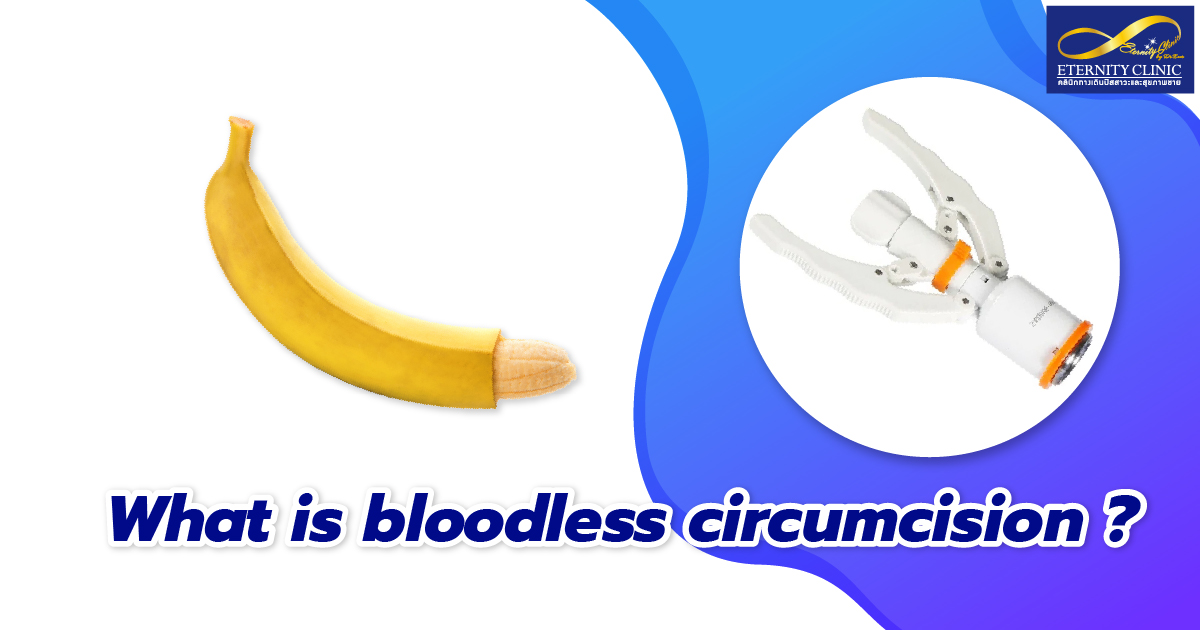
| Bloodless circumcision term | A patient-facing term often used for device-assisted staple circumcision. | Useful as a search term, but patients should understand that minor bleeding or spotting can still occur. | It should not be interpreted as no risk, no pain, or guaranteed no bleeding. |
How the clinic process works
Recovery after adult circumcision
Recovery depends on technique, wound condition, aftercare, medical history, and individual healing. Patients should follow the doctor’s instructions rather than using a fixed timeline for every case.
| Period | What may happen | General care focus |
|---|---|---|
| First 1 to 3 days | Swelling, pressure, mild spotting, dressing discomfort, sensitivity. | Protect the wound, follow dressing instructions, avoid friction and unnecessary walking. |
| Days 4 to 14 | Swelling may continue while the wound becomes more stable. | Clean as instructed, wear supportive underwear, avoid heavy exercise and sexual activity. |
| Weeks 3 to 6 | Comfort usually improves, but scar maturation and sensitivity changes continue. | Return to exercise or sex only when the doctor confirms the wound is ready. |
Risks and warning signs
Circumcision is generally a minor procedure, but it is still surgery. Patients should understand both common recovery symptoms and warning signs that need medical contact.
For international patients visiting Bangkok
International patients should plan enough time for consultation, procedure, early wound review, and travel-safe aftercare. Do not schedule intense activity, long travel, or sexual activity too soon after treatment.
Adult circumcision price factors
The final cost depends on examination and procedure planning. Patients should avoid choosing only by price because safety, sterile technique, aftercare, and doctor experience matter.
- Chosen method: conventional circumcision or staple circumcision
- Case complexity, foreskin tightness, inflammation, or scar tissue
- Need for frenulum management or additional wound planning
- Medication, dressing, follow-up, and aftercare package
- Whether the case is suitable for clinic-based treatment or needs hospital care
Related services and reading
FAQ: Adult Circumcision in Bangkok
Is adult circumcision painful?
Local anesthesia is normally used to reduce pain during the procedure. Patients may still feel pressure during treatment and tenderness, swelling, or sensitivity after anesthesia wears off.
Is staple circumcision the same as bloodless circumcision?
The term bloodless circumcision is often used to describe device-assisted staple circumcision. It can reduce bleeding during the procedure, but minor bleeding or spotting can still happen.
How long does circumcision recovery take?
Early recovery may improve within one to two weeks, but full wound healing and comfort often take several weeks. NHS guidance notes 4 to 6 weeks is common, although some patients take longer.
Can I fly after circumcision?
Travel timing should be confirmed with the doctor. International patients should allow time for early wound care instructions and should avoid long travel too soon if swelling, bleeding, or pain is present.
Who is not suitable for clinic-based circumcision?
Patients with severe infection, uncontrolled diabetes, bleeding disorders, complex anatomy, severe urinary difficulty, or major medical conditions may need hospital or urology evaluation.
Can circumcision improve hygiene?
For some patients, circumcision can make cleaning easier, especially when the foreskin is tight or repeatedly inflamed. It should still be discussed with a doctor because benefits vary by patient.
When can I return to sex or masturbation?
Sexual activity and masturbation should be avoided until the wound is fully healed and the doctor confirms it is safe. Many patients are advised to wait several weeks.
How do I choose the right clinic?
Ask about doctor experience, sterile standards, technique options, suitability screening, risk explanation, aftercare instructions, follow-up support, and referral planning for complex cases.

Medical review and editorial standard
This service page is written for adult international patients considering circumcision in Bangkok. It is educational and does not replace in-person medical consultation.
Suitability must be assessed by a qualified doctor based on anatomy, symptoms, infection status, medication use, medical history, and recovery expectations.
Reviewer reference: Doctor profile
Medical references
- NHS. Circumcision. https://www.nhs.uk/tests-and-treatments/circumcision/
- Mayo Clinic. Circumcision. https://www.mayoclinic.org/tests-procedures/circumcision/about/pac-20393550
Ask about adult circumcision in Bangkok
A consultation helps confirm whether circumcision is suitable, which method is safer for your anatomy, and how to plan recovery around your travel schedule.
International patients can contact the clinic before visiting Bangkok to review symptoms, medical history, timing, and aftercare needs.