

Hormone therapy can help some transgender and gender-diverse people align physical characteristics with personal goals without choosing surgical gender transition. It should be planned with qualified clinicians because hormones can affect fertility, sexual function, blood tests, cardiovascular risk factors, mood, skin, and long-term health monitoring.
Yes, hormone therapy may be used without surgical gender transition. Some people want only selected physical changes, some are not ready for surgery, and some never want surgery. The safest route is not self-medication. A clinician should confirm goals, review medical history, discuss fertility preservation, choose the right medication form, and monitor blood tests and side effects over time.
What Is Hormone Therapy?

Hormone therapy uses medications to adjust sex hormone levels so physical characteristics move closer to a person’s affirmed gender or personal goals. In gender-affirming care, the two broad pathways are feminizing hormone therapy and masculinizing hormone therapy.
This page focuses on people who are considering hormone therapy without surgical gender transition. The goal is to understand what hormones can realistically do, what they cannot do, and what should be checked before treatment starts.
Can You Use Hormone Therapy Without Surgical Gender Transition?

Yes. Hormone therapy and surgery are separate decisions. Some people use hormones as the main medical step. Others may use hormones before deciding about surgery. Some people choose social transition, voice work, hair removal, clothing, counselling, or other nonsurgical options instead of surgery.
Personal goals
Some patients want selected changes such as fat distribution, skin changes, body hair changes, voice-related changes, or menstrual suppression depending on the pathway.
Medical suitability
Hormones may not be suitable for every person or every dose. Risks and monitoring requirements vary by medication and baseline health.
No surgery requirement
Starting hormones does not mean the patient must choose surgery. Decisions should be individualized and informed.
Feminizing vs Masculinizing Hormone Therapy

Feminizing and masculinizing hormone therapy are different medical pathways. They use different medications, create different physical changes, and require different monitoring. The original article described both directions, but this rewrite corrects the language so each pathway is clearer and more respectful.
| Pathway | Common medical approach | Examples of changes to discuss |
|---|---|---|
| Feminizing hormone therapy | Often estrogen, with testosterone-lowering medication when appropriate. | Breast development, softer skin, body fat redistribution, reduced spontaneous erections, reduced testicular volume, libido changes, and fertility effects. |
| Masculinizing hormone therapy | Usually testosterone in a form selected by the clinician and patient. | Deeper voice, increased facial/body hair, muscle and fat distribution changes, acne or oilier skin, menstrual changes, libido changes, and fertility effects. |
Types of Hormone Therapy and How They Are Monitored
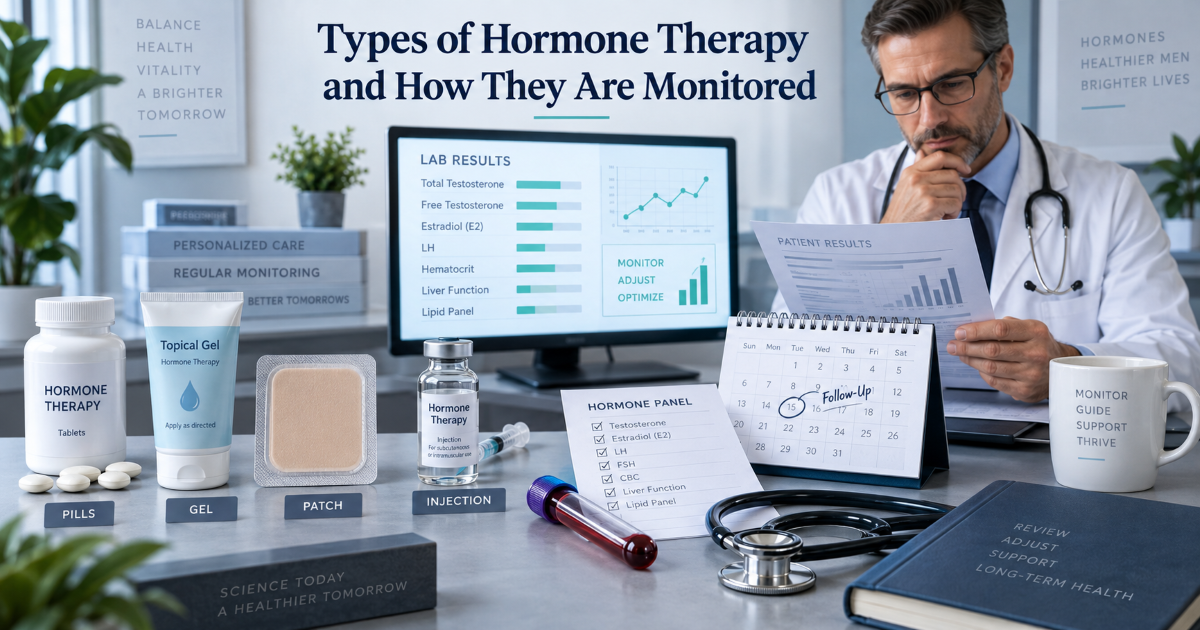
Hormones may be prescribed as tablets, injections, gels, patches, or other forms depending on the medication, country, patient goals, and medical risk profile. The best form is not simply the fastest or strongest form. It is the form that fits the person’s goals, safety profile, cost, travel schedule, and ability to follow up.
Baseline assessment
Before starting, clinicians may review medical history, medications, blood pressure, smoking status, clotting risk, fertility plans, mental health support, and relevant lab tests.
Dose selection
Doses should be individualized. Higher doses do not automatically mean better or safer results.
Follow-up monitoring
Follow-up may include symptom review, side-effect checks, blood pressure, blood count, liver enzymes, lipids, blood sugar, potassium, and hormone levels depending on the regimen.
What Body Changes Can Hormone Therapy Create?

Hormone therapy can create gradual physical changes, but the degree of change is not identical for everyone. Genetics, age, baseline hormone levels, dose, duration, route, and adherence all matter.
Feminizing changes
Patients may discuss breast development, reduced body hair growth rate, softer skin, body fat redistribution, lower libido or erectile changes, and possible testicular volume change.
Masculinizing changes
Patients may discuss deeper voice, facial and body hair growth, increased muscle mass, menstrual changes, acne, oilier skin, libido changes, and hairline changes.
Safety, Fertility, and Why Self-Medication Is Risky

Hormone therapy can affect fertility and sexual function. It may also interact with existing conditions or medications. This is why a medical plan should include fertility counselling, realistic expectations, baseline testing, and follow-up.
| Safety topic | Why it matters | What to ask |
|---|---|---|
| Fertility | Hormones may reduce fertility, and the effect may not always be predictable. | Should I consider sperm, egg, or embryo preservation before starting? |
| Blood tests | Hormones can affect blood count, liver enzymes, lipids, glucose, potassium, and hormone levels depending on the regimen. | Which labs do I need before and after starting? |
| Cardiovascular and clot risk | Smoking, age, clotting history, blood pressure, and medication route may change risk discussion. | Does my history affect which option is safer? |
| Mood and sexual function | Hormonal changes can interact with libido, mood, dysphoria, relationship context, and mental health. | How will we monitor mood and sexual function? |
Bangkok Consultation Checklist Before Starting Hormones

For international patients in Bangkok, a structured consultation helps clarify goals and reduces confusion. Bring previous lab results if available and be ready to discuss both desired changes and medical concerns.
Goals
Which physical changes matter most? Are you considering hormones only, surgery later, or nonsurgical transition steps?
Health history
Tell the clinician about smoking, blood clots, migraines, liver disease, heart disease, diabetes, mental health history, and current medications.
Fertility
Ask about fertility preservation before treatment, especially if future biological children may be important.
Confirm the treatment pathway
Clarify whether the plan is feminizing, masculinizing, partial-dose, maintenance, or another individualized approach.
Confirm follow-up schedule
Ask when labs should be repeated and what symptoms require earlier review.
Confirm travel logistics
If you travel often, discuss medication storage, injection timing, prescription continuity, and how to share lab results with the clinic.
FAQ About Hormone Therapy Without Surgical Gender Transition
Can hormone therapy be used without surgical gender transition?
Yes. Some people use feminizing or masculinizing hormone therapy without planning genital surgery or other surgery. The plan should still be medically supervised, based on individual goals, baseline health, fertility plans, and monitoring needs.
Is it safe to take hormones by myself?
No. Self-prescribing estrogen, testosterone, anti-androgens, or birth control pills can create avoidable risks. A clinician should review medical history, contraindications, lab tests, fertility goals, and follow-up schedule before treatment.
What is the difference between feminizing and masculinizing hormone therapy?
Feminizing hormone therapy usually uses estrogen with medication to reduce testosterone effects when appropriate. Masculinizing hormone therapy usually uses testosterone. The expected changes, monitoring, fertility impact, and risks differ between pathways.
Will hormone therapy change everything permanently?
Some changes may be partly reversible and some may be long lasting or irreversible, depending on the hormone, dose, duration, and individual biology. Patients should discuss expected changes and fertility preservation before starting.
How often should hormone therapy be monitored?
Monitoring varies by protocol and patient factors. Endocrine guidance commonly emphasizes clinical review and laboratory monitoring during the first year and then ongoing follow-up after doses are stable.
Medical References
This page is written for patient education and medical SEO clarity. It does not replace diagnosis, individualized hormone prescribing, mental health care, fertility counselling, or long-term monitoring by qualified healthcare professionals.
- Mayo Clinic: Feminizing hormone therapy
- Mayo Clinic: Masculinizing hormone therapy
- Endocrine Society: Gender dysphoria/gender incongruence guideline resources
- WPATH: Standards of Care Version 8
- Mayo Clinic: Gynecological care for trans men

Doctor Review and Medical Safety
Hormone therapy should be individualized. Patients should not self-medicate or assume that one hormone form is best for everyone. A safer plan includes goal clarification, health assessment, fertility counselling, lab monitoring, side-effect review, and long-term follow-up.
Reviewed by: Dr. Beer, Eternity Clinic
Last content update: 8 September 2026

Latest Articles
What Sexual Positions Are Best for Men with a Short Penis to Maximize Pleasure in the Bedroom?
A shorter penis or concern about penis size does not automatically mean poor intimacy. Comfort,
How many Methods for Increasing Penis Size? This Article Has the Answers.
Many men search for ways to increase penis size, but the safest first step is
Hormone Therapy Without Surgical Gender Transition
Hormone therapy can help some transgender and gender-diverse people align physical characteristics with personal goals
What Are the Symptoms of Cystitis? This Article Has the Answers.
Cystitis is inflammation of the bladder. It is often caused by a bacterial bladder infection,
How to Care for Your Manhood to Keep It Strong and Disease-Free
Penis health is not only about sexual performance. It includes daily hygiene, foreskin care, safer
Permanent Solution for Premature Ejaculation with Surgery
Premature ejaculation can be distressing, but it should not be reduced to a single promise
Delayed Ejaculation: Is It Really Good? What to Do If You’re Facing This Issue
Delayed ejaculation may sound positive to some men, but when climax takes much longer than
How to Measure Condom Size Properly: Understanding Sizes 49, 52, 54, and 56
Condom size is not judged by length alone. For most men, the most useful measurement