

Adult circumcision is a procedure to remove the foreskin covering the head of the penis. It may be considered for tight foreskin, recurrent inflammation, hygiene difficulty, discomfort, or personal preference, but the decision should be based on anatomy, symptoms, expectations, and a doctor-led risk discussion.
Adult circumcision may help selected men with phimosis, recurrent balanitis, hygiene difficulty, foreskin pain, or repeated inflammation. It is not required for every adult man and should not be sold as a guaranteed sexual-performance upgrade. The safest plan is to discuss your symptoms, method options, anesthesia, recovery timeline, risks, and follow-up before choosing the procedure.
What Is Adult Circumcision?
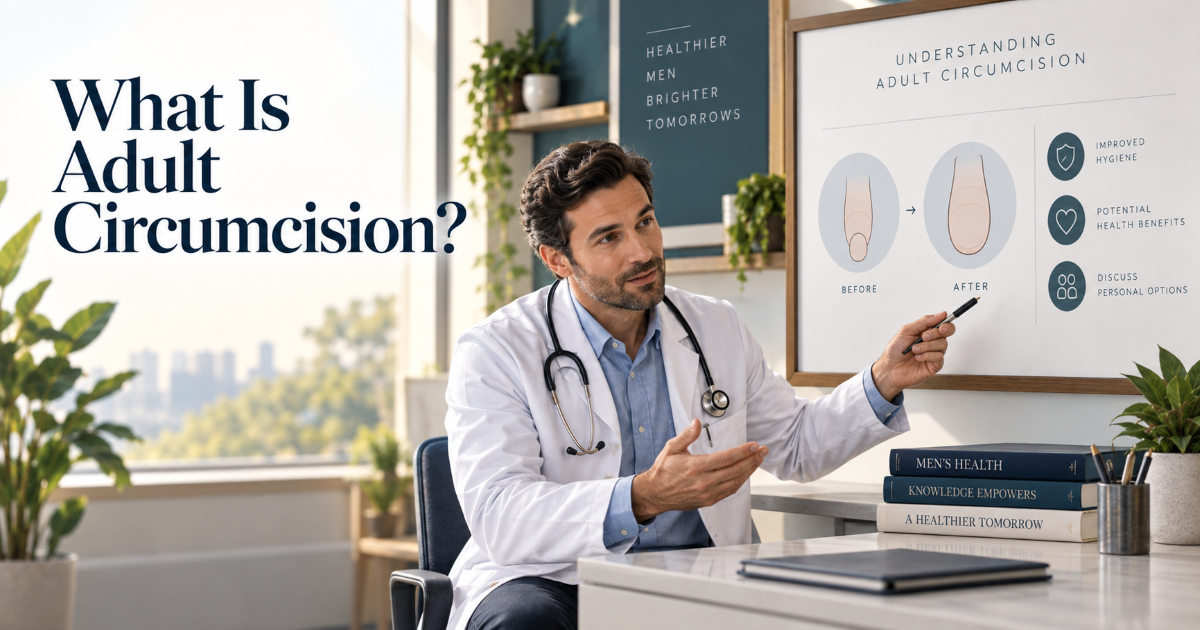
Adult circumcision is the surgical removal of part or all of the foreskin. In adults, it is usually planned after a discussion of symptoms, foreskin tightness, inflammation history, sexual discomfort, hygiene concerns, and cosmetic expectations.
The procedure can be done for medical reasons or preference-based reasons. A good consultation should separate what circumcision can reasonably improve from what it cannot guarantee. It should also explain alternative options when foreskin-preserving care may be appropriate.
Potential Benefits and Important Limitations

Adult circumcision may reduce foreskin-related irritation for selected patients, make cleaning easier when the foreskin is difficult to retract, and prevent repeated tight-foreskin problems in appropriate cases. Some men also choose it for personal, cultural, or appearance reasons.
Possible benefits
Easier hygiene, fewer foreskin-trapping episodes, less recurrent inflammation, or reduced discomfort during retraction may be possible in selected patients.
Not guaranteed
Results vary. Circumcision does not guarantee sexual satisfaction, erection improvement, enlargement, or complete removal of all genital-health risks.
Decision quality
The best decision is based on symptoms, foreskin anatomy, scarring, frenulum status, recovery expectations, and realistic aesthetic goals.
Who May Be Suitable for Adult Circumcision?

Suitability depends on the reason for treatment. A doctor may discuss circumcision when tight foreskin cannot retract comfortably, when repeated inflammation affects daily life, when phimosis causes pain during sex, or when conservative care has not solved the problem.
| Situation | Why assessment matters | Possible discussion |
|---|---|---|
| Tight foreskin or phimosis | Tightness can be mild, severe, scarred, or associated with infection. | Topical care, stretching in selected cases, dorsal slit, frenulum treatment, or circumcision may be discussed. |
| Recurrent balanitis | Repeated inflammation may involve hygiene, diabetes risk, skin disease, or infection. | Diagnosis and trigger control should be considered before surgery is chosen. |
| Discomfort during sex | Pain may come from foreskin tightness, frenulum tightness, curvature, infection, or anxiety. | The cause should be identified so the procedure matches the actual problem. |
| Personal preference | Preference-based procedures still require informed consent and realistic expectations. | Discuss style, scar placement, recovery, sensitivity changes, and risks. |
Circumcision Methods: Surgical, Device-Assisted, and Staple Circumcision
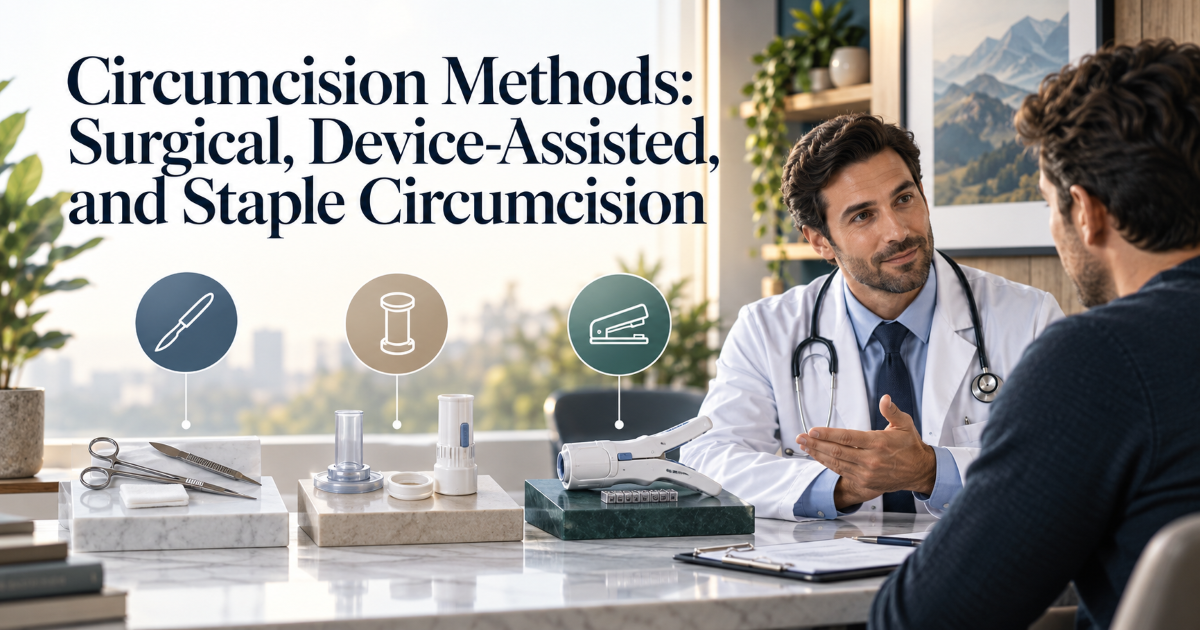
Different clinics may offer conventional surgical circumcision, device-assisted circumcision, or staple circumcision. The word used in marketing is less important than the doctor’s experience, patient selection, sterile technique, bleeding control, wound closure, and follow-up plan.
| Method | Potential advantage | Important limitation |
|---|---|---|
| Conventional surgical circumcision | Allows customized tissue removal and direct control of bleeding and closure. | Outcome depends heavily on surgeon technique and wound care. |
| Device-assisted circumcision | May standardize some steps for selected patients. | Not suitable for every anatomy or every foreskin problem. |
| Staple circumcision | May be offered as a faster or more standardized option in selected cases. | It is still a medical procedure with risks; it is not automatically better for every patient. |
| Combined frenulum treatment | May be considered when frenulum tightness is part of the problem. | Unnecessary frenulum cutting should be avoided if it is not clinically indicated. |
What Happens During Adult Circumcision?
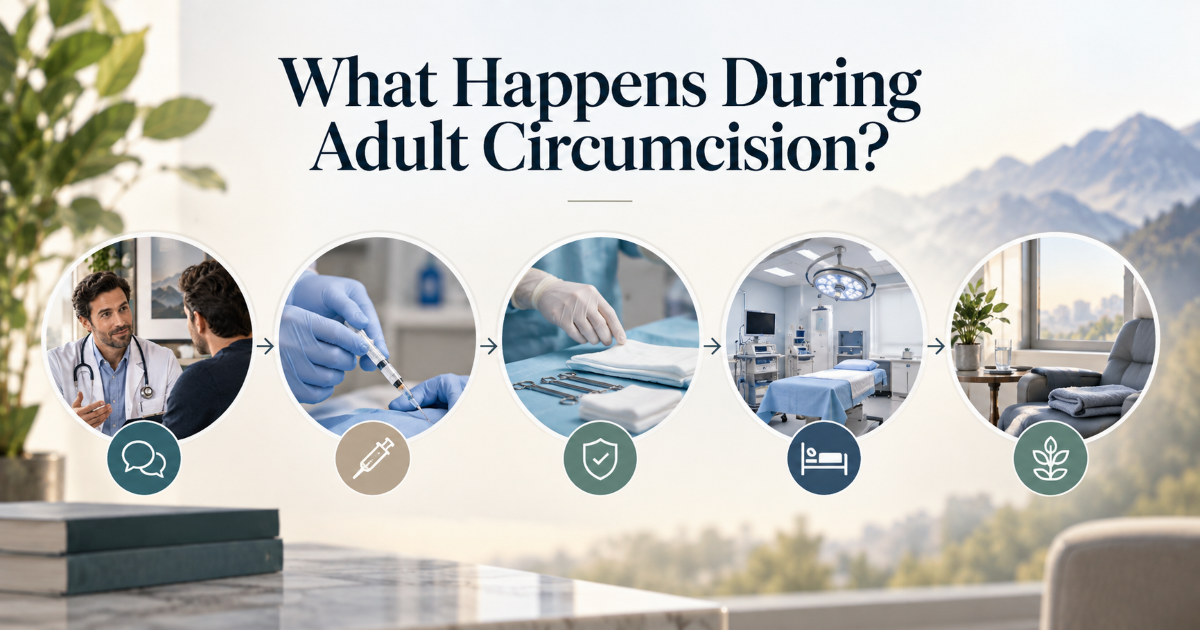
The exact process varies by clinic and method, but most pathways include consultation, medical history review, examination, consent, anesthesia planning, tissue removal, bleeding control, wound closure, dressing, and written aftercare instructions.
Consultation and examination
The doctor checks foreskin tightness, inflammation, scarring, frenulum status, urinary symptoms, medications, allergies, and expectations.
Method and anesthesia planning
Local anesthesia or other anesthesia options may be discussed depending on the case, anxiety level, procedure complexity, and clinic setup.
Procedure and wound closure
The foreskin is removed according to the plan, bleeding is controlled, and the wound is closed or managed according to the chosen technique.
Aftercare instructions
You should receive guidance on cleaning, dressing, pain control, activity restrictions, erection-related discomfort, follow-up, and warning signs.
Adult Circumcision Recovery Timeline

Adult recovery is not instant. Swelling, bruising, wound sensitivity, and discomfort can occur. Many adult aftercare resources describe a recovery period of several weeks, often around 4 to 6 weeks, but timing varies by healing, method, and complications.
| Period | What may happen | Practical focus |
|---|---|---|
| First few days | Swelling, mild bleeding spots, sensitivity, and dressing care are common. | Follow wound-care instructions, avoid friction, and take pain medicine only as advised. |
| First 1 to 2 weeks | Bruising and swelling should gradually improve. | Keep the area clean and dry as instructed; avoid heavy exercise unless cleared. |
| Several weeks | The wound continues to mature and sensitivity may change. | Avoid sex or masturbation until the doctor confirms it is safe. |
| Follow-up period | Scar appearance and final comfort can take longer to settle. | Attend follow-up if swelling, pain, scar tightness, or cosmetic concerns persist. |
Risks, Contraindications, and Warning Signs

Adult circumcision is common, but it is still surgery. Possible risks include bleeding, infection, swelling, bruising, wound separation, delayed healing, scarring, altered sensation, dissatisfaction with appearance, or the need for additional care.
Before treatment, tell the doctor about blood thinners, bleeding problems, diabetes, immune conditions, allergies, genital skin disease, previous surgery, and any current infection.
Bangkok Clinic Checklist for Adult Circumcision

International patients should choose a clinic based on medical decision quality, not only convenience. A safe consultation should make it clear what method is being used, why it is suitable, what recovery requires, and how problems are handled after you leave.
Doctor and setting
Confirm who performs the procedure, the doctor’s experience, sterile setup, and emergency referral plan.
Method explanation
Ask why staple, surgical, device-assisted, or combined frenulum treatment is recommended for your case.
Follow-up plan
Confirm written aftercare, follow-up access, travel timing, and warning-sign instructions.
Adult Circumcision FAQ
Is adult circumcision medically necessary for every man?
No. Adult circumcision is not necessary for every man. It may be considered for selected medical problems such as tight foreskin, recurrent inflammation, hygiene difficulty, painful foreskin retraction, or recurrent infections, or for personal reasons after informed counselling.
Does adult circumcision hurt?
The procedure is usually performed with local or other anesthesia depending on the method and patient factors, but discomfort, swelling, bruising, and wound sensitivity can occur during recovery. Pain control and aftercare instructions should be discussed before the procedure.
How long does adult circumcision recovery take?
Many adults need several weeks for healing. NHS patient information commonly describes a 4 to 6 week healing period, although individual recovery varies by method, wound healing, activity level, and complications.
What are the risks of adult circumcision?
Possible risks include bleeding, infection, swelling, wound separation, delayed healing, scarring, altered sensation, cosmetic dissatisfaction, and rarely injury to surrounding tissue. The risk profile should be explained by the treating doctor.
Is staple circumcision better than traditional circumcision?
Not automatically. Staple or device-assisted approaches may be suitable for some patients, while conventional surgical methods may be better for others. The choice should depend on anatomy, foreskin condition, surgeon experience, risks, and aftercare needs.
When should I seek medical help after circumcision?
Seek prompt medical advice for heavy bleeding, fever, worsening redness or pus, severe pain, inability to urinate, wound separation, foul odor, or swelling that is getting worse rather than improving.
Medical References
This page is written for patient education and SEO clarity. It does not replace diagnosis, individualized treatment planning, emergency care, or medical advice from a qualified doctor.
- Cleveland Clinic: Circumcision
- NHS: Circumcision
- Mayo Clinic: Circumcision
- UCLH NHS Foundation Trust: Adult circumcision post-operative information
- NCBI Bookshelf: Circumcision

Doctor Review and Medical Safety
Adult circumcision should be planned after evaluating foreskin symptoms, anatomy, scarring, inflammation history, frenulum status, and patient expectations. Method names such as staple or laser-assisted circumcision should not replace individualized medical assessment and informed consent.
Reviewed by: Dr. Beer, Eternity Clinic
Last content update: 8 September 2026

Latest Articles
Permanent Solution for Premature Ejaculation with Surgery
Premature ejaculation can be distressing, but it should not be reduced to a single promise
Delayed Ejaculation: Is It Really Good? What to Do If You’re Facing This Issue
Delayed ejaculation may sound positive to some men, but when climax takes much longer than
How to Measure Condom Size Properly: Understanding Sizes 49, 52, 54, and 56
Condom size is not judged by length alone. For most men, the most useful measurement
Penile Enlargement With “Your Own Tissue” or “Your Own Fat”: Why It May Not Be Worth the Pain
Using your own tissue or your own fat can sound more natural than synthetic material,
Circumcision at a Clinic vs Hospital: How to Choose the Right Medical Setting
Adult circumcision can be planned in different medical settings. The safest choice depends on your
Adult Circumcision Explained: Benefits, Methods, Recovery, and Safety
Adult circumcision is a procedure to remove the foreskin covering the head of the penis.
Where is the Best Place for Vasectomy (Male Sterilization): Hospital or Clinic?
A vasectomy is a permanent male contraception procedure, but choosing where to have it done
What Sexual Positions Are Best for Men with a Short Penis to Maximize Pleasure in the Bedroom?
A shorter penis or concern about penis size does not automatically mean poor intimacy. Comfort,