

Low testosterone can affect libido, erection quality, energy, mood, muscle, and confidence. It can also make some men worry that their penis is shrinking. This guide explains what low testosterone can and cannot explain, how to measure concerns more accurately, and when hormone treatment should be considered only after proper medical testing.
Low testosterone in adult men does not usually make the penis physically smaller by itself. What it can do is reduce libido, morning erections, erection firmness, muscle mass, energy, and mood. When erections are weaker or less frequent, the penis may look or feel smaller during sex, but that is different from proven permanent length loss.
What Is Male Hormone Deficiency?
Male hormone deficiency is commonly used to describe low testosterone, also called testosterone deficiency or male hypogonadism. Testosterone supports sexual desire, erections, sperm production, red blood cell production, muscle, bone density, mood, and general vitality. Levels may change with age, sleep, weight, illness, medications, alcohol use, stress, and testicular or pituitary conditions.
The term andropause can be misleading because testosterone decline in men is not the same as menopause in women. Some men have measurable low testosterone with symptoms. Others have fatigue, low sex drive, or erectile dysfunction from sleep apnea, diabetes, depression, medication effects, relationship stress, vascular disease, thyroid disease, anemia, obesity, or lifestyle factors.

Can Low Testosterone Make the Penis Smaller?
In adults, low testosterone is more strongly connected with sexual desire, erection quality, energy, mood, muscle, and body composition than with direct penis length loss. If erections become less firm, less frequent, or shorter-lasting, a man may perceive a smaller size during sex or masturbation. Weight gain around the pubic fat pad can also make visible length appear shorter without changing the penile shaft itself.
True penis size change should be checked with consistent measurement, not memory or anxiety. Erect length is usually measured from the pubic bone to the tip on the top side of the penis, while girth is measured around the shaft. If erectile dysfunction is present, an ED assessment may be more relevant than testosterone treatment alone.
| Concern | Possible explanation | Safer next step |
|---|---|---|
| Penis looks shorter | Weight gain, pubic fat pad, less firm erection, aging-related tissue changes, or measurement inconsistency. | Measure correctly and assess erection quality before considering treatment. |
| Penis feels smaller during sex | Reduced rigidity, lower arousal, anxiety, ED, or reduced blood flow. | Review vascular risk, diabetes, medication, sleep, and testosterone if symptoms fit. |
| Loss of morning erections | Low testosterone, ED, sleep disruption, stress, or metabolic disease. | Check morning testosterone and evaluate ED risk factors. |
| Worry about average size | Comparison anxiety, inaccurate online claims, condom fit problems, or body image distress. | Use correct measurement and read the average manhood size guide. |
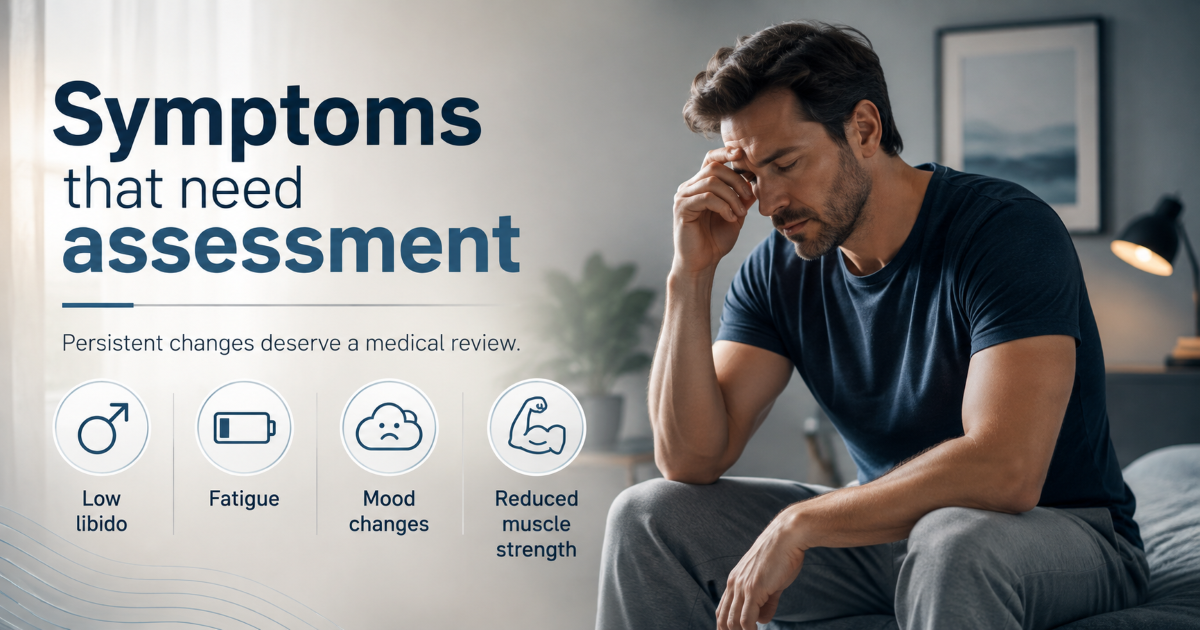
Symptoms That May Suggest Low Testosterone
Symptoms of testosterone deficiency can overlap with many other conditions. A doctor should look for a pattern rather than relying on one symptom. Sexual symptoms are important, but non-sexual symptoms can also matter when they are persistent and unexplained.
Sexual symptoms
- Lower libido
- Fewer morning erections
- Erectile dysfunction
- Reduced sexual confidence
- Infertility concern
Physical symptoms
- Lower energy
- Reduced muscle mass
- Increased body fat
- Lower bone density risk
- Less facial or body hair in selected cases
Mood and focus
- Low motivation
- Irritability
- Low mood
- Poor concentration
- Sleep-related fatigue
How Doctors Test for Male Hormone Deficiency
A responsible low testosterone assessment starts with symptoms, medical history, medication review, sexual function review, and targeted blood testing. Testosterone varies during the day, so timing and repeat confirmation matter.
Clarify symptoms and timeline
When libido, erections, energy, mood, weight, sleep, or body composition changed, and whether the change is persistent.
Check morning testosterone
Morning total testosterone is commonly used first. Low results usually need repeat confirmation rather than one isolated test.
Look for the cause
Depending on the case, the doctor may review LH, FSH, prolactin, thyroid function, blood count, metabolic health, liver function, sleep apnea risk, or pituitary/testicular causes.
Assess sexual function separately
Erectile dysfunction may need vascular, metabolic, psychological, and medication review even when testosterone is low.
Treatment Options: What Helps and What Does Not
Treatment should match the cause. Some men improve with sleep, weight loss, exercise, alcohol reduction, diabetes control, medication review, stress management, or ED treatment. Some men with confirmed hypogonadism may be candidates for testosterone therapy, but this should be discussed with clear goals and monitoring.

| Approach | When it may help | Limitations and cautions |
|---|---|---|
| Lifestyle and risk-factor care | Sleep loss, obesity, inactivity, alcohol excess, diabetes, stress, or poor cardiovascular health. | May improve overall sexual health but is not an instant fix. |
| Medication and condition review | Symptoms may be linked with antidepressants, blood pressure medicines, opioids, thyroid disease, anemia, or sleep apnea. | Do not stop prescribed medication without medical advice. |
| ED-specific treatment | Erection firmness or penetration is the main problem. | ED can signal vascular disease and should not be reduced to a testosterone issue only. |
| Testosterone therapy | Selected men with symptoms plus consistently low testosterone after evaluation. | Requires counselling, monitoring, fertility discussion, and risk review. |
| Penis enlargement claims | Usually marketed to anxiety about size. | Do not treat low confidence with unproven enlargement claims. Results vary and risks can be significant. |
Fertility, Monitoring, and Safety Risks
Testosterone treatment can suppress sperm production and may reduce fertility during use. This is especially important for men planning children. Some patients may need fertility-preserving alternatives or a reproductive evaluation before any hormone plan.
Discuss before treatment
- Plans for children
- Baseline testosterone and repeat confirmation
- Blood count and hematocrit
- Prostate and urinary history
- Sleep apnea and cardiovascular risk
- Current medications and supplements
Possible risks to monitor
- Reduced sperm production
- Higher red blood cell count
- Acne or oily skin
- Breast tenderness or swelling
- Fluid retention in selected patients
- Blood pressure change depending on product and patient risk

When to See a Doctor
Medical review is appropriate when symptoms persist, affect relationships, or appear together with erectile dysfunction, infertility concerns, or body changes. Some symptoms point to problems outside testosterone and should not be ignored.
| Symptom or situation | Why it matters | Suggested action |
|---|---|---|
| Persistent low libido with fatigue | Could involve testosterone, sleep, mood, thyroid, anemia, medication, or chronic disease. | Schedule a full assessment and morning blood tests. |
| Erectile dysfunction | May be linked with vascular disease, diabetes, medication, anxiety, or low testosterone. | Assess ED and cardiovascular risk, not hormones alone. |
| Infertility concern | Hormone treatment can affect sperm production. | Discuss semen analysis and fertility goals before therapy. |
| Sudden genital pain, swelling, injury, or inability to urinate | May indicate an urgent urologic problem. | Seek urgent medical care. |
FAQ About Male Hormone Deficiency and Penis Size
Can low testosterone make the penis smaller?
Low testosterone in adult men is not usually a direct cause of permanent penis shrinkage. Low testosterone may reduce libido, erection firmness, morning erections, and confidence, which can make the penis appear smaller during erection. True size change should be assessed with correct measurement, erection quality review, medication history, weight change, and medical evaluation.
How is male hormone deficiency diagnosed?
A diagnosis should combine symptoms with consistently low testosterone on blood testing. Guidelines recommend testing morning testosterone and confirming low results before considering testosterone treatment. Other causes of fatigue, low libido, erectile dysfunction, and mood changes should also be evaluated.
Does testosterone therapy increase penis size?
Testosterone therapy is not an adult penis enlargement treatment. It may help selected men with confirmed hypogonadism improve libido, energy, bone or muscle health, and some sexual symptoms, but it should not be marketed as guaranteed penis growth or a guaranteed erectile dysfunction cure.
Can testosterone treatment affect fertility?
Yes. Testosterone therapy can suppress sperm production in some men and may reduce fertility while being used. Men who want children should discuss fertility-preserving options before starting any hormone treatment.
When should I see a doctor?
See a doctor if you have persistent low libido, erectile dysfunction, fatigue, mood changes, reduced muscle mass, infertility concerns, breast tenderness, testicular changes, or concern about penile size change. Urgent care is needed for sudden severe genital pain, injury, or inability to urinate.
Medical References
This page is written for patient education and medical SEO clarity. It does not replace diagnosis, hormone testing, fertility counselling, or individualized treatment planning with a qualified clinician.
- Endocrine Society: Testosterone therapy for hypogonadism guideline resources
- American Urological Association: Testosterone deficiency guideline
- Mayo Clinic: Male hypogonadism diagnosis and treatment
- Mayo Clinic: Testosterone therapy potential benefits and risks
- FDA: Class-wide labeling changes for testosterone products

Doctor Review and Medical Safety
Male hormone deficiency should be assessed with symptoms, repeat blood testing, sexual function review, fertility plans, and overall health context. Penis size concern should be separated from erection quality, correct measurement, pubic fat pad, body image distress, and unsafe enlargement claims. Treatment should be individualized and monitored.
Reviewed by: Dr. Beer, Eternity Clinic
Last content update: 30 June 2026

Latest Articles
Where is the Best Place for Vasectomy (Male Sterilization): Hospital or Clinic?
A vasectomy is a permanent male contraception procedure, but choosing where to have it done
What Sexual Positions Are Best for Men with a Short Penis to Maximize Pleasure in the Bedroom?
A shorter penis or concern about penis size does not automatically mean poor intimacy. Comfort,
How many Methods for Increasing Penis Size? This Article Has the Answers.
Many men search for ways to increase penis size, but the safest first step is
Hormone Therapy Without Surgical Gender Transition
Hormone therapy can help some transgender and gender-diverse people align physical characteristics with personal goals
What Are the Symptoms of Cystitis? This Article Has the Answers.
Cystitis is inflammation of the bladder. It is often caused by a bacterial bladder infection,
How to Care for Your Manhood to Keep It Strong and Disease-Free
Penis health is not only about sexual performance. It includes daily hygiene, foreskin care, safer
Permanent Solution for Premature Ejaculation with Surgery
Premature ejaculation can be distressing, but it should not be reduced to a single promise
Delayed Ejaculation: Is It Really Good? What to Do If You’re Facing This Issue
Delayed ejaculation may sound positive to some men, but when climax takes much longer than