

Penile discharge, burning urination, sores, blisters, warts, itching, swelling, or pain after sexual contact should not be guessed from photos alone. Several sexually transmitted infections can look similar, and many infections can be mild or symptom-free. This guide explains common penis-related STI symptoms, testing, treatment safety, partner care, and when erectile dysfunction concerns need a broader men’s health assessment.
Common STIs that may affect the penis include chlamydia, gonorrhea, genital herpes, syphilis, HPV-related genital warts, trichomoniasis, HIV, scabies, and pubic lice. Symptoms may include penile discharge, painful urination, sores, ulcers, blisters, bumps, itching, rash, testicular pain, or no symptoms at all. The safest next step is STI testing and clinician-guided treatment, not self-diagnosis or leftover antibiotics.
What Are Sexually Transmitted Diseases Affecting the Penis?
Sexually transmitted infections are infections passed mainly through vaginal, anal, or oral sex, close genital contact, or contact with infected fluids or skin lesions. Older articles often use STD, while many medical sources now use STI because infection can exist before a disease state or obvious symptoms appear.
For men, penis-related STI symptoms often involve the urethra, foreskin, glans, shaft skin, scrotum, groin, anus, or throat. A penis symptom does not always mean an STI, but STI testing is important after unprotected sex, a new partner, partner diagnosis, condom breakage, sex work exposure, or symptoms that appear after sexual contact.

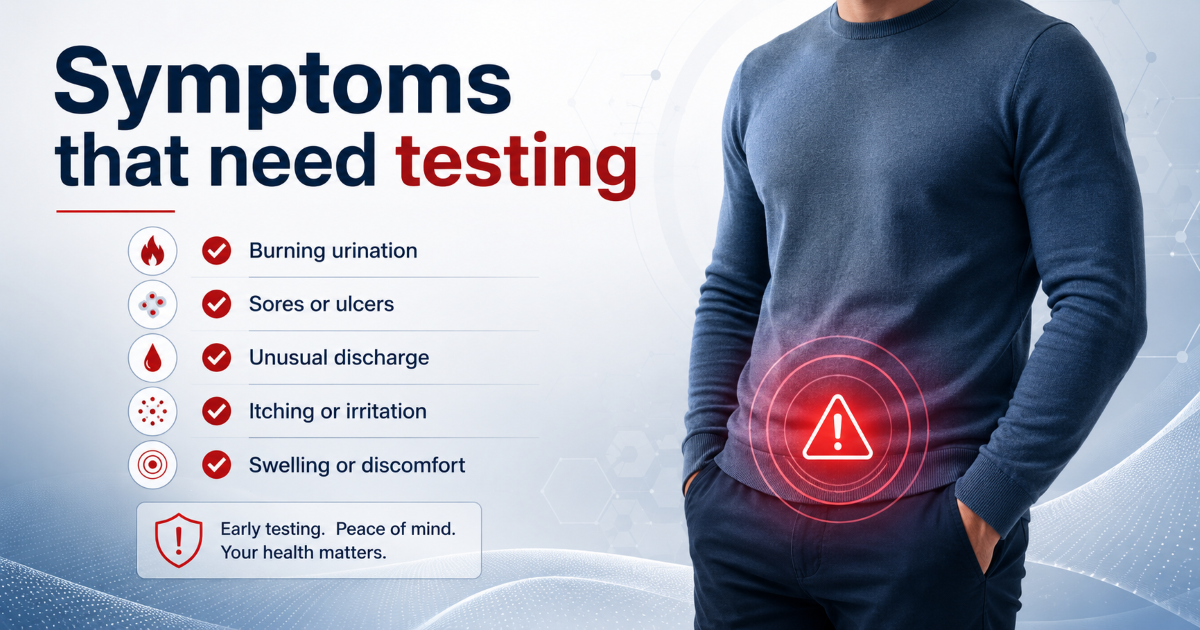
Penis Symptoms That Should Trigger STI Testing
Some STIs cause obvious symptoms, but many are silent. The absence of discharge, sores, or pain does not prove that you are infection-free. Testing is especially important when there has been a recent risk exposure or a partner has tested positive.
Discharge or burning
Clear, white, yellow, or green discharge and burning urination may suggest urethritis, commonly linked with gonorrhea, chlamydia, Mycoplasma genitalium, or trichomoniasis.
Sores or blisters
Painful blisters may suggest herpes. A painless sore can occur with syphilis. Any ulcer or unexplained sore should be checked promptly.
Bumps, warts, itching
Genital warts, scabies, pubic lice, dermatitis, fungal infection, or non-STI skin conditions can cause bumps or itching. A clinician should confirm the cause.
| Symptom | Possible causes | Safer next step |
|---|---|---|
| Penile discharge | Gonorrhea, chlamydia, urethritis, trichomoniasis, other infections | Urine or swab testing; avoid sex until advised. |
| Burning when urinating | STI, urinary tract infection, irritation, prostatitis-like symptoms | Test for STIs and urinary causes rather than guessing. |
| Ulcer, blister, or sore | Herpes, syphilis, trauma, skin disease, other infections | Prompt exam and lesion testing when appropriate. |
| Warts or small bumps | HPV warts, pearly penile papules, molluscum, folliculitis, skin tags | Do not burn or cut at home; get diagnosis first. |
| Testicular pain or swelling | Epididymitis, STI, torsion, trauma, other urgent causes | Urgent assessment if sudden, severe, or one-sided. |
Common STIs That Can Affect the Penis
Different infections require different tests and treatment plans. The same symptom can come from more than one infection, and coinfection is possible. That is why a testing panel is often more useful than trying to identify one disease from a single symptom.

Gonorrhea
May cause discharge, burning urination, rectal symptoms, throat infection, or no symptoms. It requires current guideline-based antibiotics because resistance patterns matter.
Chlamydia
May cause mild discharge, burning, testicular pain, rectal symptoms, or no symptoms. Testing and partner treatment reduce reinfection risk.
Genital herpes
May cause painful blisters, ulcers, tingling, burning, recurrent outbreaks, or mild symptoms. Antivirals may reduce symptoms and recurrence, but management must be individualized.
Syphilis
Can start as a painless sore and later involve rash or systemic symptoms. Blood testing and stage-specific treatment are important.
HPV genital warts
May cause soft bumps or warts on the penis, scrotum, groin, or anus. Some HPV types are linked with cancer risk, so vaccination and assessment matter.
HIV and other infections
HIV may not cause penis-specific symptoms. Testing, prevention, PrEP discussion, and linkage to care are important after risk exposure.
Testing and Diagnosis: What Usually Happens
STI testing depends on symptoms, exposure type, timing, and the body sites involved. A clinician may recommend urine testing, urethral swab, lesion swab, blood tests, throat swab, rectal swab, or partner-based testing. Men with penile discharge or burning urination often need testing for gonorrhea and chlamydia, and additional tests may be needed depending on risk.
Describe the exposure clearly
Tell the clinician about vaginal, oral, or anal sex; condom breakage; new partners; partner symptoms; travel; and when symptoms started.
Match tests to symptoms and sites
Urine alone may miss throat or rectal infection if those sites were exposed. Site-specific swabs may be recommended.
Ask about window periods
Some infections may not show immediately after exposure. Follow-up testing may be advised if the first test is too early.
Plan partner care
Partners may need testing and treatment. This reduces reinfection and protects future partners.
Treatment and Partner Safety
Treatment depends on the confirmed or suspected infection. Bacterial infections such as gonorrhea, chlamydia, and syphilis need specific medicines and timing. Viral infections such as herpes, HPV, and HIV are managed differently. Some conditions require symptom control, antiviral treatment, vaccination discussion, HIV prevention planning, or specialist referral.

| Care area | Why it matters | Patient action |
|---|---|---|
| Correct diagnosis | Symptoms overlap between STIs and non-STI conditions. | Complete the recommended tests before assuming the cause. |
| Medication adherence | Incomplete treatment can fail or allow ongoing transmission. | Take medication exactly as prescribed and follow return instructions. |
| Partner notification | Untreated partners can be reinfected or spread infection. | Ask how partners should be tested or treated safely. |
| Sexual pause | Sex too soon can spread infection or worsen irritation. | Avoid sex until the clinician says it is safe. |
| Retesting | Some infections need repeat testing or test-of-cure in selected cases. | Follow the clinic’s retesting schedule. |
Can an STI Affect Erections or Sexual Confidence?
An STI does not automatically cause erectile dysfunction, but symptoms can affect sexual performance indirectly. Pain, burning, discharge, ulcers, anxiety, fear of infecting a partner, and relationship stress can make erections more difficult. Some infections or inflammation may also overlap with pelvic, prostate, or urinary symptoms.
Persistent erectile dysfunction should be assessed separately because ED can also relate to diabetes, blood pressure, cardiovascular risk, medications, low testosterone, sleep, stress, alcohol, smoking, and mental health. If erection difficulty continues after infection symptoms resolve, read the clinic’s erectile dysfunction treatment guide or arrange a medical review.
Short-term performance issue
Often related to pain, fear, discharge, or stress during an active infection.
Persistent ED
Needs broader assessment of vascular, hormonal, psychological, medication, and lifestyle factors.
Partner communication
Discuss testing and treatment honestly. Avoid sex until advised to reduce transmission risk.
Warning Signs: When to Seek Medical Care Quickly
Some symptoms need urgent assessment because they may involve severe infection, testicular emergencies, urinary blockage, or trauma. Do not wait for symptoms to disappear if they are severe, spreading, or associated with fever or swelling.
| Warning sign | Why it matters | Suggested action |
|---|---|---|
| Severe testicular pain or sudden swelling | May be torsion, epididymitis, trauma, or another urgent condition. | Seek urgent care. |
| Fever with genital pain, swelling, or discharge | May suggest spreading infection or systemic illness. | Prompt medical assessment. |
| Painful ulcers, spreading redness, or pus | May require testing, wound care, or treatment. | Do not apply harsh chemicals or self-cut lesions. |
| Blood in urine or inability to urinate | May involve urethral injury, severe infection, or obstruction. | Urgent medical assessment. |
| Pop sound, bruising, swelling after sex | Could suggest penile fracture rather than STI. | Seek emergency care. |
FAQ About Penis-Related STIs
Which sexually transmitted infections commonly affect the penis?
Common STIs that may affect the penis include chlamydia, gonorrhea, genital herpes, syphilis, HPV genital warts, trichomoniasis, HIV, scabies, and pubic lice. Symptoms overlap, so testing is needed rather than guessing from appearance.
Can I have an STI with no symptoms?
Yes. Many STIs can cause mild symptoms or no symptoms. A person can still pass an infection to partners, so testing is important after risk exposure or when a partner is diagnosed.
What penis symptoms should make me get tested?
Get tested if you notice discharge, burning when urinating, sores, blisters, ulcers, warts, itching, testicular pain, swelling, rash, painful sex, or symptoms after unprotected sex or a new partner.
Can STIs cause erectile dysfunction?
Some STIs can cause pain, anxiety, urethritis, prostatitis-like symptoms, or relationship stress that may affect erections. ED can also come from vascular, hormonal, medication, psychological, or metabolic causes, so persistent ED needs a broader medical assessment.
Can antibiotics treat every STI?
No. Bacterial STIs such as chlamydia, gonorrhea, and syphilis are treated with specific medicines, but viral infections such as herpes, HPV, and HIV require different management. Do not self-medicate or reuse old antibiotics.
When should I avoid sex after STI treatment?
Avoid sex until your clinician confirms it is safe, symptoms have resolved when relevant, treatment is completed, and partners have been treated when needed. Some infections require follow-up testing or partner notification.
Medical References
This page is written for patient education and medical SEO clarity. It does not replace STI testing, diagnosis, treatment, partner notification, or urgent medical care.

Doctor Review and Medical Safety
Penis-related STI symptoms should be handled with testing, diagnosis, partner care, and clear follow-up. The goal is not to shame patients or guess from appearance, but to identify treatable infections, prevent reinfection, protect partners, and assess overlapping concerns such as pain, urinary symptoms, foreskin inflammation, or erectile dysfunction when needed.
Reviewed by: Dr. Beer, Eternity Clinic
Last content update: 30 June 2026

Latest Articles
Circumcision at a Clinic vs Hospital: How to Choose the Right Medical Setting
Adult circumcision can be planned in different medical settings. The safest choice depends on your
Adult Circumcision Explained: Benefits, Methods, Recovery, and Safety
Adult circumcision is a procedure to remove the foreskin covering the head of the penis.
Where is the Best Place for Vasectomy (Male Sterilization): Hospital or Clinic?
A vasectomy is a permanent male contraception procedure, but choosing where to have it done
What Sexual Positions Are Best for Men with a Short Penis to Maximize Pleasure in the Bedroom?
A shorter penis or concern about penis size does not automatically mean poor intimacy. Comfort,
How many Methods for Increasing Penis Size? This Article Has the Answers.
Many men search for ways to increase penis size, but the safest first step is
Hormone Therapy Without Surgical Gender Transition
Hormone therapy can help some transgender and gender-diverse people align physical characteristics with personal goals
What Are the Symptoms of Cystitis? This Article Has the Answers.
Cystitis is inflammation of the bladder. It is often caused by a bacterial bladder infection,
How to Care for Your Manhood to Keep It Strong and Disease-Free
Penis health is not only about sexual performance. It includes daily hygiene, foreskin care, safer