

Pearling, also called penile beading or a pearl implant, is a body-modification procedure that places small beads under the penile skin. Some men consider it for appearance, confidence, or added texture during sex, but the decision should be medical, hygienic, consent-based, and realistic.
Table of Contents
What Is Pearling?

Pearling is the insertion of small rounded beads under the penile shaft skin. The beads may be made from medical-grade silicone or other smooth implant materials, depending on the clinic and local regulation. The goal is usually to create raised texture on the shaft, not to increase anatomical length or improve erection function.
Can Pearling Really Increase a Woman’s Happiness?
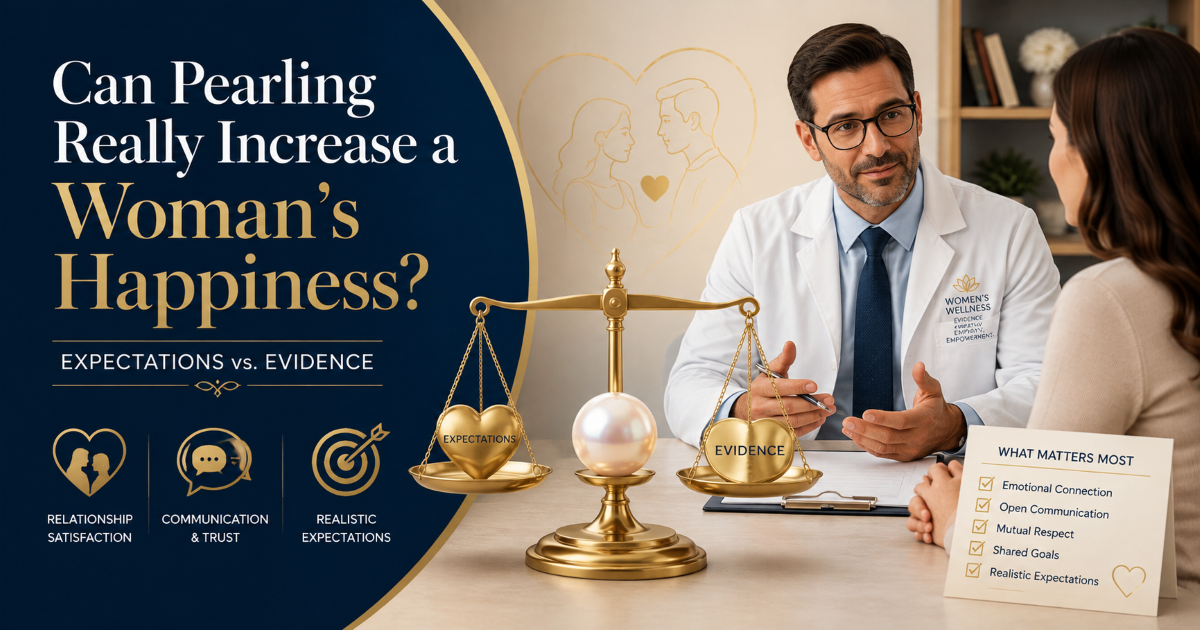
Some men believe that beads can add stimulation during penetration. In practice, partner response varies. Some partners may enjoy the texture, some may feel neutral, and some may find it uncomfortable or irritating. Pearling should not be promoted as a guaranteed way to make a partner orgasm or as proof of better sexual performance.
What pearling may change
External appearance, shaft texture, and the way friction is felt during sex.
What pearling does not do
It does not reliably increase penis size, cure erectile dysfunction, cure premature ejaculation, or guarantee partner pleasure.
How Is a Penile Pearl Implant Performed?

A typical medical pearling plan starts with a private consultation, genital skin assessment, infection screening when needed, discussion of bead material and placement, and review of healing restrictions. The procedure usually involves a small incision or insertion point, creating a pocket under the skin, placing the bead, and closing or dressing the entry site according to the technique used.
Consultation and expectation check
The doctor clarifies whether the goal is appearance, confidence, partner stimulation, or another concern such as size anxiety, ED, or premature ejaculation.
Medical screening
Active skin infection, sexually transmitted infection risk, uncontrolled diabetes, poor wound healing, bleeding risk, and medication history should be reviewed.
Material and placement planning
Only appropriate sterile implant material should be used. Non-medical objects, self-insertion, or unlicensed procedures increase the risk of infection and tissue damage.
Aftercare and sexual abstinence period
Sex should be avoided until healing is confirmed. Early friction can reopen the wound, move the bead, or increase infection risk.
Is Pearling Dangerous?

Pearling breaks the skin and places a foreign material under penile tissue. That means it carries risks similar to genital piercing and minor surgical body modification. The risks are not only for the patient. A raised bead can also cause friction-related discomfort or irritation for a partner if placement, size, lubrication, or healing are not appropriate.
| Risk | What it may look like | What to do |
|---|---|---|
| Infection | Increasing pain, swelling, redness, warmth, pus, bad odor, fever | Seek medical care promptly; antibiotics or drainage may be needed |
| Migration or extrusion | Bead moves, becomes visible through the skin, or starts pushing out | Do not force it back in; see a doctor |
| Skin breakdown | Open wound, ulcer, bleeding, or repeated friction injury | Avoid sex and get the site assessed |
| Partner discomfort | Vaginal irritation, pain, bleeding, UTI symptoms, avoidance of sex | Stop penetration and discuss both medical and partner comfort issues |
| Scarring or altered sensation | Firm scar tissue, tightness, hypersensitivity, numbness | Assessment is needed before adding or removing beads |
Who May Be a Candidate, and Who Should Avoid Pearling?
May be considered when
The patient understands that pearling is cosmetic or sexual body modification, accepts variable partner response, has no active infection, can follow aftercare, and chooses a sterile medical setting.
Should be delayed or avoided when
There is active genital infection, uncontrolled diabetes, poor wound healing, high STI risk, bleeding disorder, unrealistic expectations, untreated ED, severe size anxiety, or pressure from a partner.
If the real concern is erectile firmness, premature ejaculation, penis size, phimosis, or pain during sex, pearling is not the correct first answer. A doctor should diagnose the actual problem and recommend a safer treatment pathway.
Pearling vs Other Male Sexual Health Treatments
| Concern | Better first medical pathway | Why pearling may not solve it |
|---|---|---|
| Penis feels too small | Penile enlargement assessment or penile lengthening assessment | Pearling adds texture, not true length |
| Weak erection | Erectile dysfunction workup | Beads do not improve blood flow or nerve-driven erection function |
| Finishing too quickly | Premature ejaculation treatment pathway | Pearling does not treat PE causes |
| Foreskin tightness or hygiene problems | Circumcision or phimosis assessment | Beads may worsen irritation if skin movement is already tight |
Related Services and Internal Links
Pearl Implant
Read the main pearling service page for consultation, placement planning, and safety screening.
Pearling Risks
Review pearling risks before choosing bead number, position, or material.
Penile Enlargement
Compare length, girth, and appearance options if the concern is size rather than texture.
Erectile Dysfunction
Get ED assessed first if erection firmness is the real concern.
Frequently Asked Questions
What is pearling?
Pearling is the placement of small rounded beads under the penile skin to change texture and appearance. It is a body-modification procedure, not a treatment for ED, PE, or penis lengthening.
Does pearling increase penis size?
No. Pearling may make parts of the shaft feel raised or textured, but it does not reliably increase true penile length or erection size.
Can pearling make a partner happier during sex?
Partner response varies. Some may like the texture, while others may feel discomfort, irritation, or anxiety. Consent, communication, lubrication, healing, and safe placement matter more than the implant alone.
Is pearling safe?
No procedure that breaks the skin and places foreign material under penile tissue is risk-free. Infection, migration, scarring, altered sensation, and partner discomfort are possible, especially with unsterile or non-medical procedures.
How long should I avoid sex after pearling?
The abstinence period depends on the wound, placement, and healing progress. Sex should be avoided until the clinician confirms that the site has healed enough for friction and pressure.
Can pearling be removed?
In many cases removal is possible, but it may leave scars or require a minor procedure. Removal should be done by a clinician, especially if there is infection, migration, or skin breakdown.
Medical References
This article uses cautious medical framing from NHS, Cleveland Clinic, GOV.UK infection-prevention guidance, PubMed Central case literature, and sexual medicine patient education. It is educational content and does not replace a private medical consultation.
- NHS: Infected piercings, signs of infection, and aftercare principles
- Cleveland Clinic: Penis piercing care and complications
- GOV.UK: Tattooing and body piercing infection prevention and control
- PubMed Central: genital piercing complications and retained jewelry review
- SMSNA: partner perspective in male sexual medicine decision-making

Doctor Review and Medical Safety
This page is structured for international patients considering penile pearling. It emphasizes sterile technique, realistic expectations, partner consent, infection prevention, and medical screening before any implant is placed.
Reviewed by: Dr. Beer, Eternity Clinic
Last content update: 24 June 2026
Considering pearling? Get a private medical assessment first.
Ask about bead material, placement, number of beads, aftercare, healing restrictions, partner comfort, and safer alternatives if your real concern is size, erection quality, or ejaculation control.

Latest Articles
Hormone Therapy Without Surgical Gender Transition
Hormone therapy can help some transgender and gender-diverse people align physical characteristics with personal goals
What Are the Symptoms of Cystitis? This Article Has the Answers.
Cystitis is inflammation of the bladder. It is often caused by a bacterial bladder infection,
How to Care for Your Manhood to Keep It Strong and Disease-Free
Penis health is not only about sexual performance. It includes daily hygiene, foreskin care, safer
Permanent Solution for Premature Ejaculation with Surgery
Premature ejaculation can be distressing, but it should not be reduced to a single promise
Delayed Ejaculation: Is It Really Good? What to Do If You’re Facing This Issue
Delayed ejaculation may sound positive to some men, but when climax takes much longer than
How to Measure Condom Size Properly: Understanding Sizes 49, 52, 54, and 56
Condom size is not judged by length alone. For most men, the most useful measurement
Penile Enlargement With “Your Own Tissue” or “Your Own Fat”: Why It May Not Be Worth the Pain
Using your own tissue or your own fat can sound more natural than synthetic material,
Circumcision at a Clinic vs Hospital: How to Choose the Right Medical Setting
Adult circumcision can be planned in different medical settings. The safest choice depends on your